Featured


Table of Contents
Navigating Debt Expiration in Dayton Ohio Debt Relief Without Filing Bankruptcy throughout 2026
The financial environment of 2026 presents special obstacles for individuals handling old liabilities. A frequent point of confusion involves the statute of limitations on debt collection, a legal timeframe that restricts for how long a creditor can utilize the court system to force payment. While the financial obligation itself does not disappear when this period ends, the legal capability of a collector to win a judgment versus a consumer efficiently ends. Homeowners in Dayton Ohio Debt Relief Without Filing Bankruptcy frequently find that comprehending these specific windows of time is the difference between a dealt with account and an unexpected wage garnishment.In 2026, the expiration dates for financial obligation differ based upon the kind of contract signed and the laws governing the local jurisdiction. Typically, debts fall under categories such as oral contracts, composed agreements, promissory notes, and open-ended accounts like credit cards. Charge card debt is the most common type of liability, and in many regions, the statute for these accounts varies from three to six years. However, some locations keep longer periods, making it required for customers to validate the specific statutes that apply to their location and the original contract terms.
The Mechanics of State Statutes in regional territories
Legal procedures for financial obligation recovery are largely determined by state-level policies. Throughout 2026, courts in various parts of the country have seen a steady stream of cases where the primary defense is that the debt is "time-barred." A time-barred financial obligation is one that has actually passed the statute of limitations. If a creditor tries to sue on such a financial obligation, the customer should participate in the hearing and raise the statute of limitations as a defense. The court does not usually track this immediately, so the burden of proof typically sits with the individual being sued.Individuals pursuing Financial Recovery discover that legal clearness is the very first step towards monetary stability. It is likewise worth keeping in mind that the clock for the statute of restrictions generally begins on the date of the last activity on the account. This usually suggests the date of the last payment or the date the account was officially charged off. Because of this, the timeline is not always based on when the financial obligation was first incurred, but rather when the relationship with the creditor last revealed motion.
Creditor Communications and Harassment Laws in 2026
Even if a debt is past the legal window for a claim, collectors may still attempt to contact the debtor to demand payment. Federal regulations in 2026, including the Fair Financial obligation Collection Practices Act (FDCPA), offer rigorous guidelines for these communications. Financial obligation collectors are restricted from using abusive language, calling at unreasonable hours, or making incorrect dangers about legal action that they can no longer take. If a financial obligation is time-barred, a collector can not legally threaten to sue or garnish incomes in the United States, though they can still correspond or make telephone call requesting for the balance. Proven Financial Recovery Plans assists those who feel overwhelmed by aggressive tactics from third-party firms. Consumers can send a "stop and desist" letter to any collector. When this letter is received, the collector should stop all interaction, other than to validate they will no longer contact the individual or to alert them of a specific legal action-- though the latter is unlikely if the statute has actually expired.
The Danger of Restoring Expired Debt
A considerable trap for customers in Dayton Ohio Debt Relief Without Filing Bankruptcy includes the unexpected "tolling" or rebooting of the statute of restrictions. In many states, making a five-dollar payment on an old financial obligation can reset the entire timeframe. This provides the collector a fresh window of several years to submit a lawsuit. In 2026, some agencies specialize in purchasing older, time-barred debt for cents on the dollar and then utilizing high-pressure strategies to trick consumers into making a little payment that restores the financial institution's legal rights.Acknowledging the debt in writing can also have similar effects in particular jurisdictions. When a collector connects about a debt from several years earlier, it is often wise to seek assistance before accepting any payment strategy or signing any files. Public interest in Financial Recovery in Ohio boosts as more homes face collection attempts on these types of "zombie" accounts.
Nonprofit Resources and Debt Management Programs
For those dealing with active or ending debt, Department of Justice-approved 501(c)(3) nonprofit credit counseling firms supply a needed buffer. These organizations operate across the country in 2026, providing geo-specific services throughout all 50 states through collaborations with local groups and banks. A main offering is the debt management program, which consolidates multiple month-to-month payments into one lower quantity. These firms work out straight with creditors to minimize interest rates, which helps customers settle the principal balance much faster without the danger of being sued.Beyond financial obligation management, these nonprofits provide a suite of educational services. This includes pre-bankruptcy therapy and pre-discharge debtor education for those who discover that legal liquidation is the only path forward. For property owners, HUD-approved real estate therapy is likewise available to assist prevent foreclosure and manage mortgage-related stress. These services are designed to improve monetary literacy, guaranteeing that citizens in any given region understand their rights and the long-lasting effect of their monetary choices.
Legal Relief and Financial Literacy
In 2026, the complexity of consumer finance requires a proactive technique. Maintaining records of all interactions with financial institutions is necessary. If a claim is submitted, having a history of payments and correspondence enables a customer to show the debt is time-barred. Lots of people find success by dealing with a network of independent affiliates and counselors who comprehend the particular nuances of local credit markets. Education remains the best defense against predatory collection practices. Knowing that a debt is past the statute of restrictions supplies a complacency, but it does not repair a broken credit report. Even if a financial obligation can not be sued upon, it might still appear on a credit rating for as much as seven years from the original date of delinquency. Balancing legal rights with the objective of enhancing credit report is a main focus for modern-day monetary counseling. By using the resources provided by approved not-for-profit agencies, people can browse these guidelines with confidence and approach a more steady monetary future.

Latest Posts
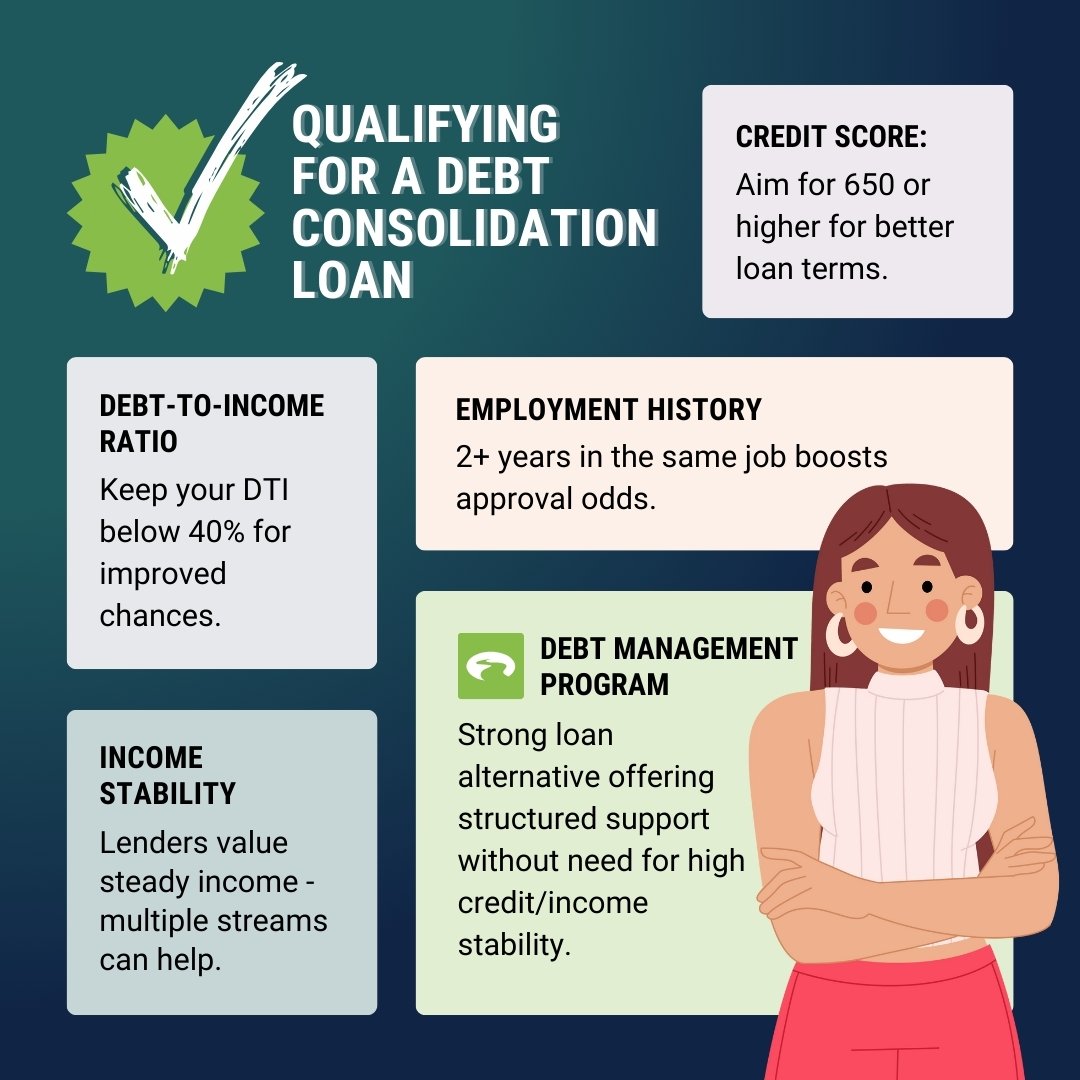
Consolidating Multiple Bills to Lower Amounts for 2026

Is Debt Management Right for You in 2026?

Is Consolidation Right for You in 2026?